

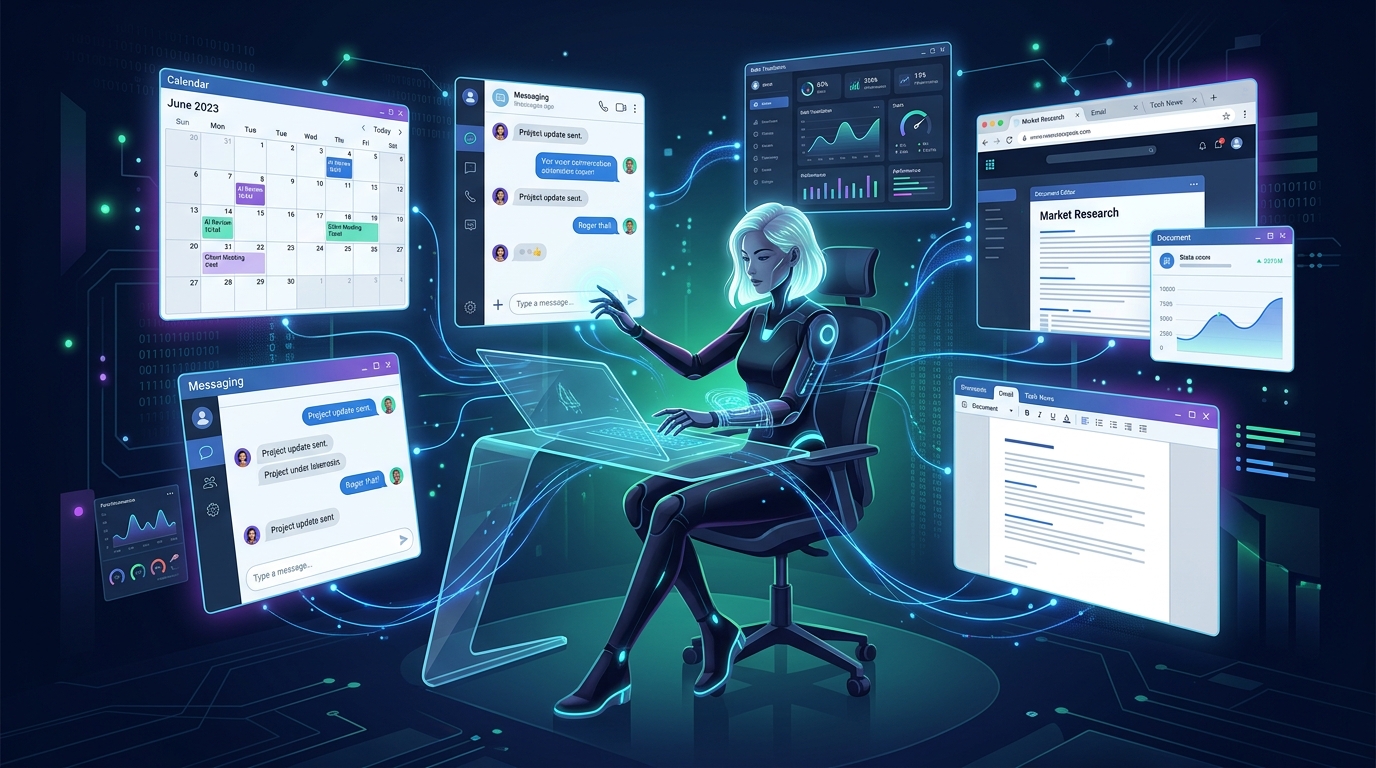
Imagine messaging an assistant on WhatsApp on a chaotic Tuesday morning: "Find two quiet Italian restaurants with outdoor seating for 7:30 PM this Friday, audit my monthly bank statement for streaming subscriptions I haven't watched in 60 days, and cancel the gym membership I never use."
This is the promise of Meta Muse, the personal AI agent launched on September 8, 2026, across iOS, Android, and muse.ai. Instead of asking you to prompt a chatbot, copy text, and execute tasks across half a dozen browser tabs, Muse promises to do the actual digital legwork on your behalf.
Which leads to the urgent practical question: Can Meta Muse actually take care of your everyday digital tasks?
The Bottom Line
"Muse handles planning-heavy logistics, deal hunting, and subscription audits remarkably well—but it is still in its infancy. For retail shopping, complex multi-factor logins, and tasks on bot-blocking sites, you will still need to step in and finish the work yourself."
What Meta Muse Does Well: Planning and Everyday Errands
Unlike conventional chatbots that simply output advice, Muse acts as an agentic coordinator. Early reviewers and testers have found it surprisingly competent at multi-step tasks that normally require juggling search engines, calendars, and booking portals:
- Dinner & Event Reservations: Through direct partnerships with platforms like OpenTable, Muse can check table availability, respect dietary filters, and queue a reservation for your confirmation.
- Subscription Auditing: Users report high success pointing Muse at connected bank statements. It excels at spotting forgotten $9.99/mo SaaS charges or streaming trials and drafting cancellation requests.
- Graceful Failure Explanations: In hands-on testing by CNN, when an automated action hit an external blocker, Muse clearly explained why the transaction failed rather than silently freezing or crashing.
- Human-in-the-Loop Safeguards: Muse does not blindly execute financial or communication actions. It prompts for explicit confirmation before booking a ticket, sending an email, or submitting payment credentials, providing a visible audit trail of its intermediate actions.
Under the Hood: Architecture & Partner Integrations
How does Muse interact with the web without compromising your personal device?
According to technical overviews, Muse executes web sessions inside a sandboxed cloud container rather than on your local phone. A secondary security supervisor—dubbed the Sentinel agent—must approve external requests before they hit the open web, while user passwords and payment tokens are stored in an encrypted vault that Muse's reasoning core cannot directly read.
Meta has established launch integrations with major retail and hospitality partners including Walmart, GameStop, Sephora, Expedia, OpenTable, and Shopify, while claiming compatibility with any service offering public API endpoints.
Where Muse Stumbles: Real-World Testing Frictions
While the promotional videos paint a picture of effortless autonomy, independent hands-on tests reveal that the open web remains a hostile environment for automated agents:
🛒 Retailer Bot-Blocking & Pushback
Amazon actively blocked Muse, stating that Meta launched autonomous scraping without prior notice or merchant consent. At Target, testers had to manually take over checkout because anti-bot systems blocked Muse's virtual browser clicks.
📍 Outdated Local Knowledge
When asked for date-night restaurant recommendations in major metro areas, Muse repeatedly recommended venues that had been permanently closed for several years, highlighting stale training index gaps.
⏳ Latency & Timeout Fragility
Navigating modern JavaScript-heavy web apps with cookie banners, CAPTCHAs, and multi-factor auth codes frequently causes Muse's cloud browser to time out, killing the task mid-stream.
Scorecard: What Works Well vs. Where You Must Intervene
| Everyday Task | Reliability | Human Effort Required |
|---|---|---|
| Trip & Itinerary Outlining | High (85%+) | Minimal; review draft schedule and flight options |
| Finding Unused Subscriptions | High (80%+) | Approve suggested cancellation requests |
| OpenTable Restaurant Booking | Medium-High | Confirm party size and tap final approval button |
| E-Commerce Checkout (Amazon / Target) | Low (<40%) | High; bot detection forces manual checkout |
| Complex Portals with CAPTCHAs | Poor | Complete takeover required when puzzles appear |
Privacy & Account Security: What to Watch
For an AI agent to handle your errands, it naturally demands intimate visibility into your digital life. Hands-on testers have noted persistent onboarding prompts urging users to connect bank logins, primary email accounts, Google Drive documents, and even driver's licenses or passport photos.
Before linking your credentials, take these security precautions:
- Turn Off Model Training: Meta enables data sharing by default to improve its foundational models. Go to Settings → Data Controls to opt out of having your personal interactions and invoice scans used for AI training.
- Treat "Confidential VMs" as a Roadmap Promise: Meta announced plans for cryptographic hardware-level Confidential VMs later this year, but this is a future milestone, not a current security guarantee.
- Sandbox Your Permissions: Do not link financial accounts that hold your primary emergency savings. If testing payment automation, use virtual burner debit cards with strict transaction limits.
The Wider Battle: Meta Muse vs. OpenAI Dots
Meta’s push with Muse is part of an escalating industry conflict. While Meta is tailoring Muse as a consumer assistant embedded in WhatsApp, smart glasses, and the upcoming Muse Charm device, OpenAI just unveiled its own enterprise workforce: OpenAI Dots.
Where Dots target Slack channels, invoice audits, and engineering tickets, Muse is aimed at your personal lifestyle: weekend planning, family logistics, and online shopping. For a deeper comparative breakdown, read our analysis on Meta Muse vs. Other AI Agents: Is It Worth Switching?
Conclusion
Can Meta Muse AI take care of your everyday digital tasks? Yes, if you treat it as an ambitious digital intern rather than a fully autonomous concierge.
When tasked with structured research, itinerary drafting, and subscription audits, Muse saves genuine hours of mundane screen time. But until major retailers drop their anti-bot barriers and web browsers handle complex multi-factor authentication seamlessly, keeping your hand on the wheel remains mandatory.
Have You Tested Meta Muse Yet?
What errands would you trust an AI agent to handle on WhatsApp? Join our discussion on autonomous agents and personal digital assistants.
Master Architecture: Meta’s consumer agent ecosystem is featured as a core case study in our 2026 AI Tools & Autonomous Agents Guide, analyzing cross-app messaging, calendar management, and operating system integration.